culture
Pittsburgh Industrial Sites Become Stages for Quantum Theatre Performances
Quantum Theatre stages The Tempest at Carrie Furnaces National Historic Landmark, extending the company's established use of local industrial settings.
Listen in English · 3 min
How we reported this
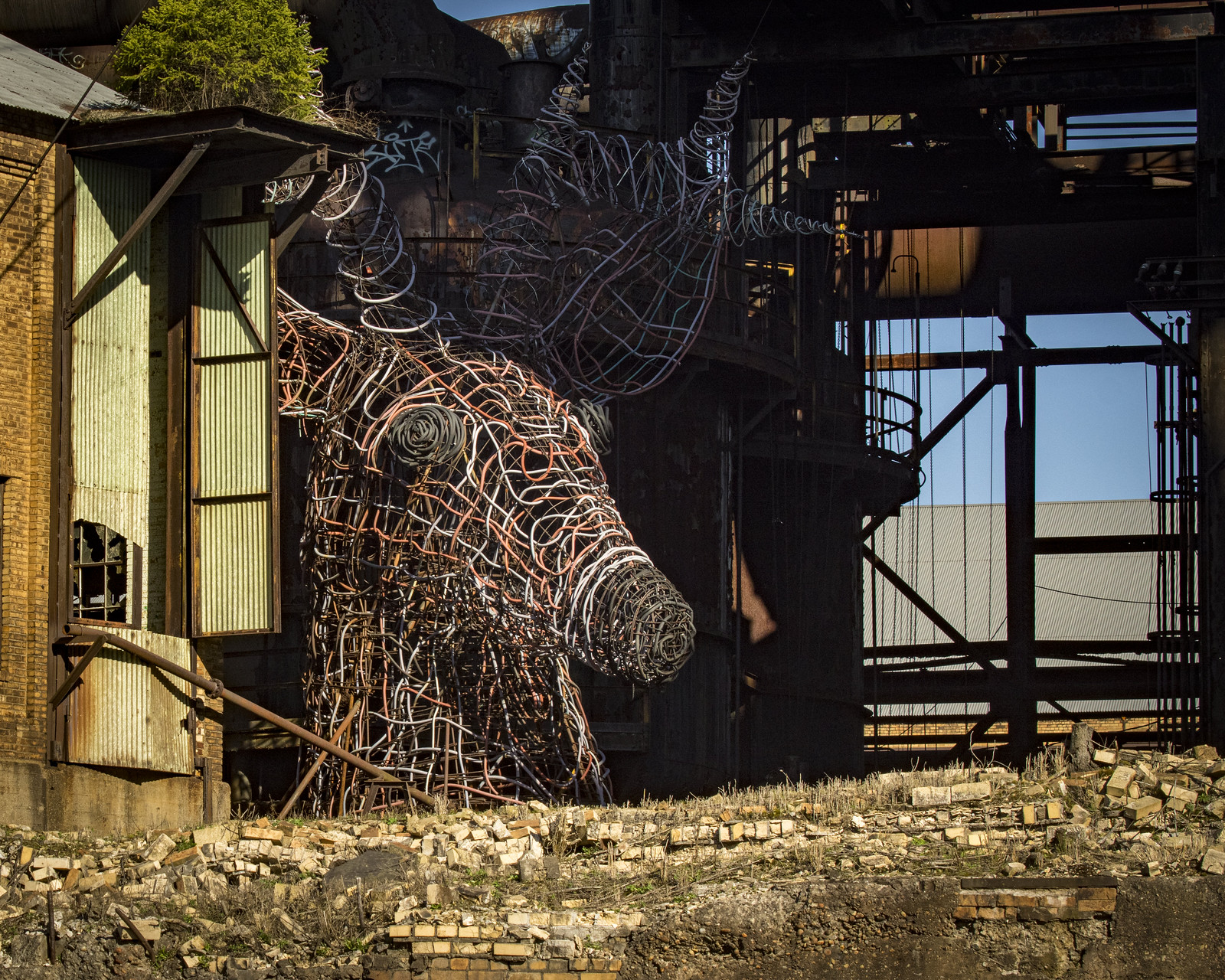
Quantum Theatre is staging Shakespeare’s The Tempest at the Carrie Furnaces National Historic Landmark.
Industrial Settings in Local Performances
WESA reports that Quantum Theatre is staging Shakespeare’s The Tempest at the Carrie Furnaces National Historic Landmark and describes the company’s use of Pittsburgh industrial sites for performances. This choice places the production inside a preserved steel-industry structure that once formed part of the region’s manufacturing backbone. The venue supplies raw architectural scale and texture that conventional theatres rarely offer, allowing the play’s themes of isolation and transformation to unfold against visible remnants of Pittsburgh’s industrial past.
Development of Site-Specific Work
Over time the company has shifted from conventional indoor stages to these larger, unaltered locations. Each project adapts the script and staging to the physical qualities of the chosen site rather than forcing the site to resemble a traditional theatre. The approach has grown through successive productions that treat disused factories, mills and related structures as active participants in the storytelling. Pittsburgh’s concentration of such landmarks has made repeated experimentation possible without requiring new construction or extensive set builds.
Connection to the City’s Landscape
The practice aligns with Pittsburgh’s identity as a city whose economy and identity were shaped by heavy industry. Performances held inside former production facilities give audiences direct, physical contact with that history while presenting classical texts. The same industrial fabric that once supported steel and manufacturing now supports cultural activity, creating a direct line between past economic activity and present artistic use. WESA notes that this pattern of selecting Pittsburgh industrial sites has become a defining element of the company’s work.
Practical Implications for Audiences and Artists
Because the sites remain largely as found, technical and logistical demands differ from those of a purpose-built theatre. Lighting, sound and seating must be installed temporarily and removed afterward, preserving the landmark’s integrity. Audiences experience the performance in an environment that retains original scale and acoustics, which can alter pacing and emphasis within the play itself. The method requires close coordination with site stewards to ensure safety and compliance with preservation standards.
Future productions are expected to continue testing additional industrial locations around the city. Each new site brings distinct spatial and historical qualities that influence how the chosen text is interpreted and presented. This ongoing adaptation keeps the work tied to Pittsburgh’s physical environment rather than relying on imported or simulated settings.