news
Pittsburgh's Policy Decisions and Demographic Shifts Reshape City in 2026
From the Lower Hill District to the North Shore, years of policy choices and demographic shifts are now landing all at once.
How we reported this
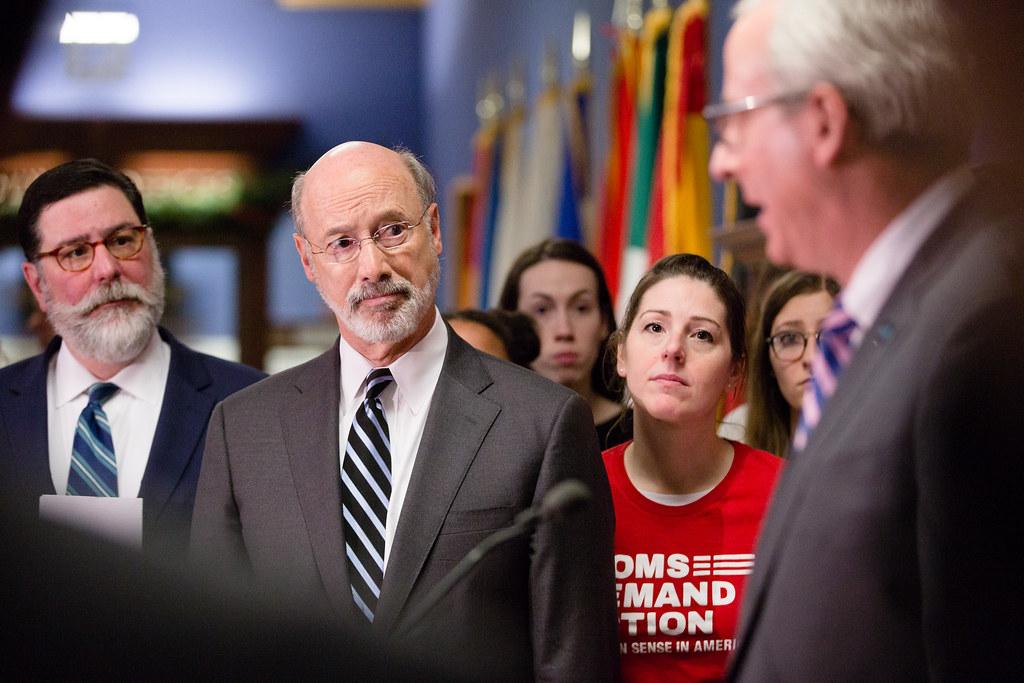
Pittsburgh enters the back half of 2026 carrying the weight of several overlapping crises and opportunities that did not appear overnight. The city's ongoing budget negotiations at the City-County Building on Grant Street, stalled redevelopment timelines in the Hill District, and a transit funding shortfall at the Port Authority of Allegheny County have all converged this summer, the product of decisions made, and deferred, across more than a decade.
Understanding why this week's headlines look the way they do requires going back at least to 2015, when Pittsburgh's population was still declining and the then-administration leaned heavily on tax increment financing districts to lure development capital. Those deals locked in long revenue deferrals that are now maturing at exactly the wrong moment, as the city faces rising pension obligations and a municipal workforce that shrank during the pandemic years and has not fully rebuilt.
The Hill District and the Long Promise of Redevelopment
Nowhere is the backstory more visible than in the Lower Hill District, the 28-acre parcel adjacent to PPG Paints Arena that has been the subject of community benefit agreement negotiations since the original arena deal in 2010. The Crawford Square neighborhood to the east and the Middle Hill along Centre Avenue have watched the parcel sit largely undeveloped while the Pittsburgh Penguins organization and the city's Urban Redevelopment Authority haggled over timelines, affordable housing percentages, and infrastructure commitments. By 2024, a revised framework was announced, but construction starts remained limited. Residents of the Hill who attended community meetings at the August Wilson African American Cultural Center on Crawford Street have heard variations of the same promises for fifteen years. The URA's latest project calendar, discussed at public board meetings earlier this year, lists several parcels still in the predevelopment phase.
The broader context matters here. Pittsburgh's Black population, concentrated historically in the Hill District and Homewood, has faced displacement pressure as property values in adjacent East Liberty and Larimer rose sharply following Google's 2015 office opening on Bakery Square. Between 2010 and 2020, the U.S. Census recorded that Allegheny County's overall population fell by roughly 5,000 residents, but the demographic composition shifted significantly within city limits, with lower-income neighborhoods absorbing the greatest housing cost stress relative to incomes.
Transit Cuts and the Infrastructure Reckoning
The Port Authority of Allegheny County, now operating under the name Pittsburgh Regional Transit, has been navigating a structural funding gap that dates to the expiration of federal pandemic relief dollars. The agency, which runs the 71C to Carrick and the light rail lines through the Downtown subway to South Hills, warned as early as 2023 that without a new dedicated state funding stream, service cuts were likely by 2025. The state legislature in Harrisburg did pass a transit funding package, but advocates from Pittsburghers for Public Transit, based in Lawrenceville, argued it fell short of what was needed to restore routes cut during the pandemic, let alone expand into underserved corridors like Hazelwood and the Hilltop neighborhoods.
The July 4th holiday weekend, the country's 250th birthday, marked nationally by flyovers and public celebrations, brought reduced Port Authority schedules and highlighted for many Pittsburgh riders just how thin service has become on weekends. Riders along the 54C Charles route and the 61 corridor reported longer-than-scheduled waits.
What comes next depends heavily on two things: the outcome of Pittsburgh's fall budget process, where Mayor Ed Gainey's administration must close a gap that city finance officials have publicly described as significant, and on Harrisburg's appetite for a supplemental transit allocation before the end of the fiscal year. Community groups including the Hill District Consensus Group and ACTION Housing have already indicated they plan to press both fronts through the summer. Residents wanting to weigh in can attend the URA's next public board meeting, typically held at 200 Ross Street Downtown, or contact Pittsburgh Regional Transit's public comment line. The decisions made in the next 90 days will set the terms for what Pittsburgh looks like at 2027.