property
Pittsburgh Council Rewrites Density Rules, Reshaping City Development for Next Decade
Proposed zoning amendments targeting building height, lot coverage, and design standards could reshape how-and where-Pittsburgh grows over the next decade.
How we reported this
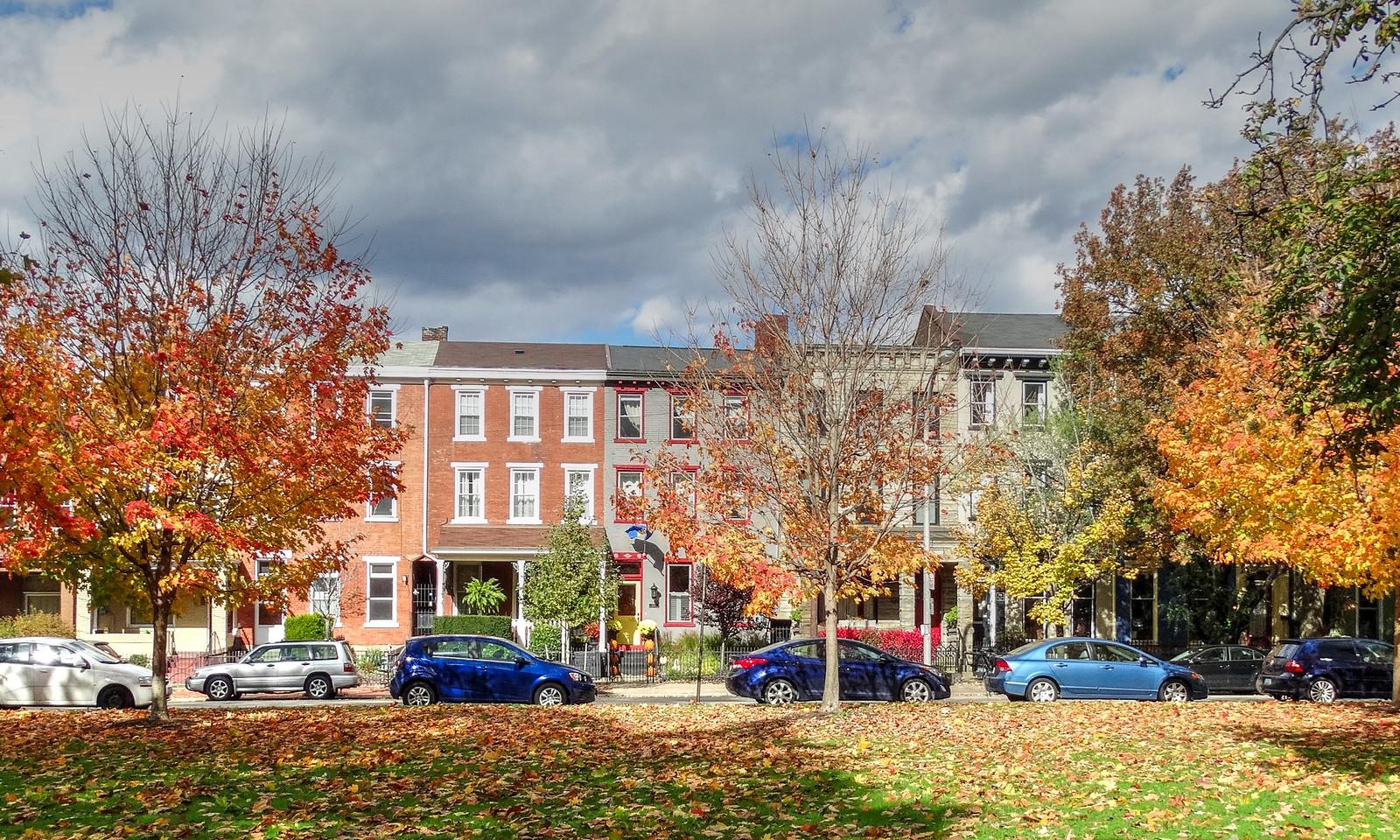
Pittsburgh City Council is advancing a package of zoning amendments that would raise allowable density in select transit corridors and impose stricter design review requirements on projects over a certain square footage-changes that, if passed, would represent the most significant overhaul to the city's Unified Development Code in nearly eight years.
The timing is deliberate. Pittsburgh's housing inventory has tightened considerably since 2022, and pressure from both market-rate developers and affordable housing advocates has pushed planning officials to revisit rules that critics say favor low-density infill while discouraging the kind of mid-rise construction common in neighborhoods like Lawrenceville and East Liberty. The city's Pittsburgh Planning Commission has been fielding revised proposals since late spring, with a formal public comment period now open through July 25.
What the Amendments Actually Change
The core proposal would reclassify several blocks along Penn Avenue, Butler Street, and the Fifth and Forbes corridor as Neighborhood Commercial Mixed-Use zones, a designation that currently exists in the code but applies to very few parcels. Under that classification, developers could build up to six stories without requiring a variance-up from the existing four-story cap that applies across much of the East End. A second amendment would require any new residential or mixed-use project exceeding 20,000 square feet to go through an expanded design review process administered through the Pittsburgh Urban Redevelopment Authority.
That second piece has drawn the most debate at recent commission meetings. Some developers argue the additional review layer adds cost and time to projects already squeezed by high construction financing rates. Proponents counter that design accountability has been notably absent in several recent projects along the Allegheny River waterfront and in the Strip District, where critics say several buildings fail to engage street-level pedestrian activity.
The Strip District example is hard to ignore. Several warehouse conversion and new-build projects completed between 2020 and 2024 along Smallman Street have faced public criticism for blank façades, minimal ground-floor activation, and parking garage entries that dominate frontage. The proposed design review rules would specifically address those issues by codifying minimum window-to-wall ratios and requiring ground-floor uses that accommodate pedestrian access.
Density, Affordability, and the Numbers Behind the Push
Pittsburgh's median home sale price crossed $230,000 in early 2026, according to data tracked by the Western Pennsylvania Regional Data Center-a figure that would have seemed improbable a decade ago in a city still shedding industrial-era population. Rental vacancy rates in Lawrenceville and Shadyside have remained below four percent for the better part of two years, a level that housing economists typically associate with significant upward rent pressure.
The Affordable Housing Task Force, which advises the mayor's office, has specifically identified zoning density restrictions as a structural barrier to adding supply near the 71A and 61C Port Authority bus corridors-routes where transit-oriented development has stalled partly because existing height limits make projects financially unviable for builders without subsidy. The proposed reclassifications along Penn Avenue target exactly that problem.
The Pittsburgh Community Reinvestment Group, an advocacy organization that monitors housing policy in Allegheny County, has submitted written comments to the commission supporting the density increases while urging the city to attach mandatory affordable unit requirements to any project benefiting from the new height allowances. That linkage-known as inclusionary zoning-is not currently in the draft amendments, and its absence may prove the central fault line in council debate this fall.
Council is expected to take up the amendments in committee no earlier than September, following the close of the public comment window. Developers with projects in the pipeline along Butler Street and the Fifth and Forbes corridor are watching the outcome closely; several have structured their financing timelines around the assumption that the new rules will clear by year-end. Anyone with property in the affected zones-or considering a purchase there-should pull the current parcel zoning classification from the Pittsburgh Parcel Viewer before making assumptions about what a future project could accommodate. The rules on the books today are not the rules likely to govern construction two years from now.
This article is general information only and is not personal financial or investment advice. Consider your own circumstances and seek licensed professional advice before making financial decisions.